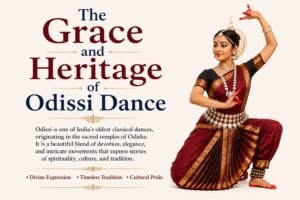
India is home to a rich legacy of classical dance traditions, each reflecting centuries of history, spirituality, and artistic excellence. Among these treasured art forms, Odissi stands out for its lyrical movements, expressive storytelling, and graceful sculpturesque poses. Originating in the temples of Odisha, Odissi is not merely a dance style—it is a celebration of devotion, culture, and timeless beauty.
At Patitapawan Kala Niketan, Odissi is taught with deep respect for its heritage while inspiring students to appreciate the discipline, artistry, and cultural values that define this remarkable classical dance form. Every performance becomes a journey through history, mythology, music, and emotion, allowing students to connect with India’s rich artistic traditions.
What Is Cultural Education?
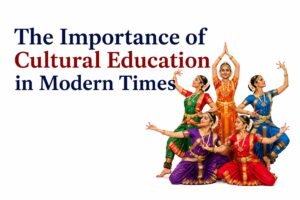
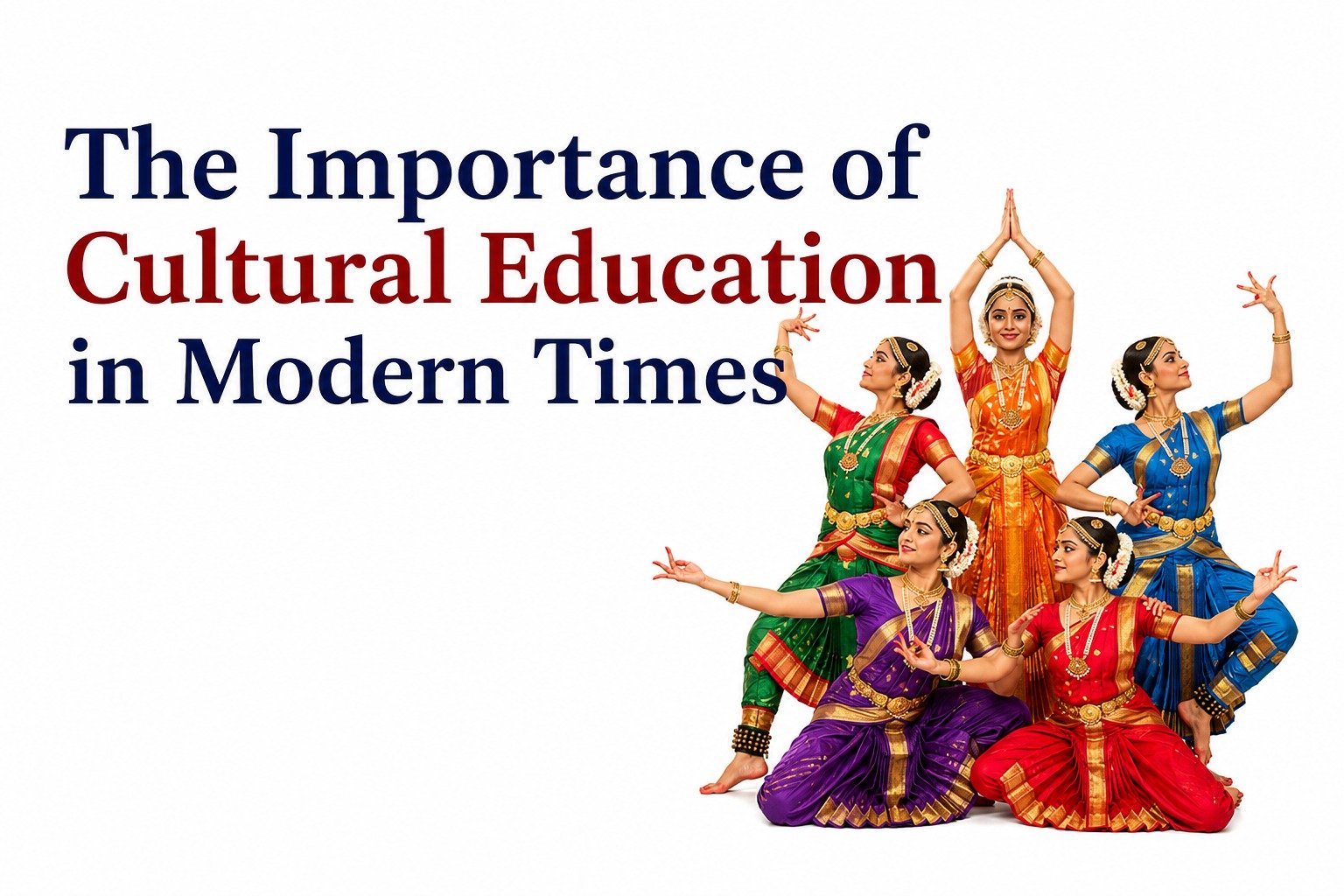
Cultural education is the process of learning about traditions, languages, music, dance, visual arts, literature, festivals, customs, and the values that define communities and civilizations. It encourages individuals to appreciate their own heritage while developing an understanding of different cultures.
Rather than limiting learning to historical facts, cultural education creates meaningful experiences through artistic expression, storytelling, performances, and community participation. These experiences help learners develop empathy, creativity, communication skills, and confidence.
At Patitapawan Kala Niketan, students experience culture as a living tradition that continues to inspire personal growth and social harmony.
Why Cultural Education Matters More Than Ever
Modern lifestyles often prioritize speed, technology, and efficiency, leaving little time to connect with traditions or community values. Cultural education provides balance by encouraging reflection, creativity, and meaningful human connections.
Learning about cultural traditions strengthens emotional intelligence and promotes respect for diversity. It teaches students to appreciate different perspectives while understanding the significance of their own heritage.
As societies become increasingly multicultural, individuals with strong cultural awareness are better prepared to communicate effectively, resolve conflicts respectfully, and contribute positively to diverse communities.
Building Strong Character Through Arts and Culture
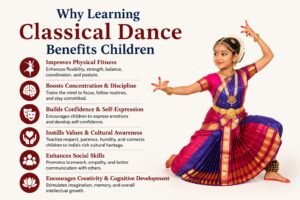
Cultural education develops qualities that extend beyond academic achievement. Participation in music, dance, theatre, painting, storytelling, and traditional crafts builds discipline, patience, teamwork, and self-confidence.
Students learn the value of dedication through regular practice and discover how creativity can be expressed in countless ways. Performing before an audience improves communication skills, while collaborative artistic activities encourage cooperation and leadership.
These life skills remain valuable throughout education, professional careers, and personal relationships.
Preserving Traditional Art Forms for Future Generations
Many traditional art forms face the risk of disappearing as younger generations become increasingly influenced by modern entertainment and digital media. Cultural education plays a vital role in preserving these priceless traditions by passing knowledge from experienced artists to enthusiastic learners.
Institutions like Patitapawan Kala Niketan contribute significantly by providing opportunities for students to learn classical dance, music, theatre, folk traditions, and various artistic disciplines in an authentic learning environment.
Every student who embraces these traditions becomes a guardian of cultural heritage, ensuring that valuable knowledge continues to thrive for generations to come.
Cultural Education Encourages Creativity and Innovation
Creativity is among the most valuable skills in today’s world. Cultural education nurtures imagination by encouraging students to think independently, explore artistic expression, and solve problems creatively.
Whether composing music, performing on stage, creating artwork, or learning traditional crafts, students develop innovative thinking that benefits them in every aspect of life.
Many successful professionals credit their artistic background for improving critical thinking, confidence, and adaptability in their careers.
Strengthening National Identity and Global Understanding
Cultural education allows individuals to take pride in their heritage while respecting the customs and beliefs of others. This balance creates responsible global citizens who value inclusivity without losing their cultural identity.
Understanding one’s own traditions provides a strong foundation for appreciating the richness of world cultures. It reduces prejudice, promotes tolerance, and encourages peaceful coexistence among diverse communities.
As international communication becomes increasingly common, cultural awareness becomes an essential life skill rather than an optional subject.
The Role of Educational Institutions in Cultural Development
Educational institutions have a unique responsibility to integrate cultural learning alongside academic excellence. Schools and cultural organizations that provide opportunities for artistic expression create well-rounded individuals with stronger emotional and social skills.
Patitapawan Kala Niketan believes that cultural education should inspire curiosity, creativity, discipline, and respect for heritage. Through workshops, performances, exhibitions, and traditional learning experiences, students gain practical exposure that strengthens both personal development and community engagement.
Such educational experiences create lifelong learners who appreciate both innovation and tradition.
Cultural Education in the Digital Age
Technology has transformed the way culture is shared and preserved. Digital platforms allow performances, art exhibitions, music lessons, and historical archives to reach audiences across the world.
However, technology should complement—not replace—authentic cultural experiences. Live performances, hands-on artistic practice, community celebrations, and direct interaction with experienced mentors remain irreplaceable elements of cultural education.
By combining traditional learning methods with modern technology, institutions can preserve heritage while making it accessible to future generations.
Why Choose Patitapawan Kala Niketan?
Patitapawan Kala Niketan is committed to nurturing artistic excellence while preserving India’s rich cultural heritage. The institution provides a supportive environment where students develop creativity, confidence, discipline, and cultural awareness through meaningful learning experiences.
By encouraging participation in traditional arts, music, dance, theatre, and cultural activities, the institution helps students become confident individuals who appreciate both their own heritage and the diversity of the world around them.
Every lesson reflects the belief that culture is not simply inherited—it is learned, practiced, celebrated, and shared.
Cultural education remains one of the strongest foundations for building compassionate, creative, and responsible individuals in the modern world. While technology continues to transform society, cultural values provide the stability, identity, and wisdom needed to navigate change with confidence.
At Patitapawan Kala Niketan, cultural education is more than preserving traditions—it is about inspiring future generations to value creativity, respect diversity, and contribute positively to society. By embracing arts and culture today, we ensure that our heritage continues to inspire tomorrow’s world.
Frequently Asked Questions (FAQs)
What is cultural education?
Cultural education is the study and practice of traditions, arts, music, dance, language, literature, customs, and values that help individuals understand their heritage and appreciate cultural diversity.
Why is cultural education important for children?
It helps children build confidence, creativity, communication skills, empathy, discipline, and respect for different cultures while strengthening their connection to their own traditions.
How does cultural education support personal development?
Participation in cultural activities improves creativity, leadership, teamwork, emotional intelligence, public speaking, and problem-solving skills that benefit learners throughout life.
What role does Patitapawan Kala Niketan play in cultural education?
Patitapawan Kala Niketan promotes traditional arts, cultural values, and artistic excellence through educational programs, performances, workshops, and heritage-focused learning experiences.
Can cultural education be combined with modern education?
Yes. Cultural education complements academic learning by developing creativity, critical thinking, emotional intelligence, and social awareness, creating well-rounded individuals prepared for modern society.